Addressing the Trauma of Suicide & Overdose Loss:
Meaning-Focused Assessment & Therapy

Viewed through the lens of the Tripartite Model of Meaning Reconstruction in Loss, the death of a significant person by suicide presents profound narrative challenges to integrating the event story of the loss, reconciling the back story of the relationship with the deceased, and revising the personal story of the life of the survivor. In this module, we focus on the first of these impediments to making sense of the loss, grounding clinical recommendations and practices in recent conceptual and empirical contributions to understanding and addressing the needs of survivors.

We begin with an overview of suicide and drug-related death, both of which have increased alarmingly in the past two decades. We then present a nested model of traumatic bereavement that highlights unique symptoms and struggles encountered by those bereaved by both causes and give particular attention to the multifaceted search for meaning in their wake. Drawing on the latest studies of the most prominent needs endorsed by survivors, we identify which unmet needs are most predictive of anguishing and prolonged grief symptomatology, and the role of meaning in mediating the impact of several evidence-based risk factors on bereavement outcomes. We will note cultural differences in suicide patterns most relevant to the audience and feature clients who differ in gender, relation to the deceased and type of loss.

Turning from assessment to intervention, we first present and practice a creative technique for resourcing tragically bereaved clients to ensure their safety. We then review concrete guidelines for a meaning-focused therapeutic retelling of the story of the loss that buffers clients against re-traumatization while helping them make sense of both the event and themselves in its aftermath. Viewing frequent clinical videos to illustrate key concepts and interventions, and gaining hands-on practice with relevant tools and techniques, learners should complete this module with greater confidence and competence in addressing the needs of survivors of tragic loss with trauma-informed care.

Note: This 3-hour CE module focuses on application of psychological assessment and/or intervention methods that have overall consistent and credible empirical support in the contemporary peer reviewed scientific literature beyond those publications and other types of communications devoted primarily to the promotion of the approach.

LEARNING OBJECTIVES

  • Describe recent trends in the incidence of both suicide and drug overdose and their implications for bereaved survivors;
  • Recognize unique themes that distinguish responses to a continuum of loss by various causes;
  • Summarize recent research on the expressed needs of survivors of both suicide and overdose loss and their implications for risk of prolonged grief;
  • Implement one creative technique for reinforcing client resources for addressing traumatizing aspects of suicide and drug-related death; and
  • List and define three procedures for mitigating re-traumatization while helping clients integrate the story of the tragic dying.

Earn 3 Continuing Education (CE) Credits

Portland Institute for Loss and Transition is approved by the American Psychological Association to sponsor continuing education for psychologists.  Portland Institute for Loss and Transition maintains responsibility for this program and its content.

Portland Institute for Loss and Transition, [Provider number 1954], is approved to offer social work continuing education by the Association of Social Work Boards (ASWB) Approved Continuing Education (ACE) program.  Organizations, not individual courses, are approved as ACE providers.  State and provincial regulatory boards have the final authority to determine whether an individual course may be accepted for continuing education credit.  Portland Institute for Loss and Transition maintains responsibility for this course.  ACE provider approval period: 09/09/2025-09/09/2028.

Earn 1 Credit for Technique Module toward
Certification in Meaning-Focused Grief Therapy,
​or Certification in Grief Therapy for Traumatic Loss
Offered by the Portland Institute.


PROGRAM SCHEDULE

This program contains the following video segments:

  • Suicide and Overdose Bereavement: Assessing Needs and Impacts (46 mins)
  • Violent Death and the Crisis of Meaning: A Roadmap for Intervention (37 mins)
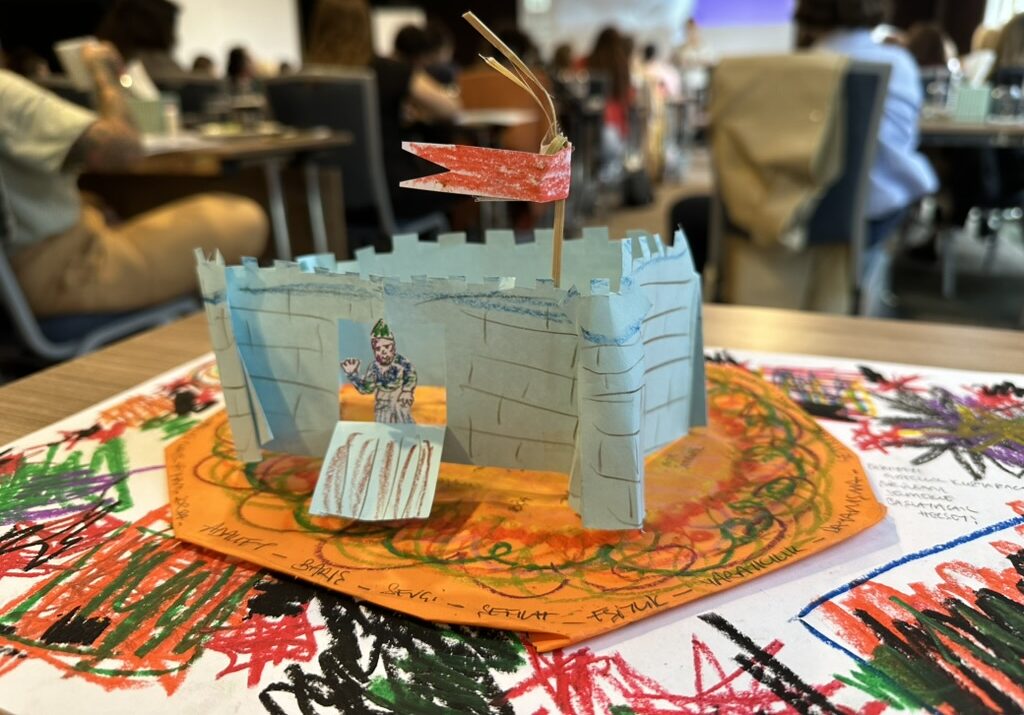
  • My Safe House: Finding Security in the Midst of Trauma and Loss (44 mins)
  • Restorative Retelling: Guidelines and Process Analysis of Cases (50 mins)

Addressing the Trauma of Suicide & Overdose Loss:
Meaning-Focused Assessment & Therapy

USD$99 for 3-hour module / USD$124 with CE Credits

GRIEF TRAINING FACULTY​

Robert A. Neimeyer

PhD
Portland, OR, United States

Robert A. Neimeyer, PhD, is Professor Emeritus of the Department of Psychology, University of Memphis, and maintains an active consulting and coaching practice. He also directs the Portland Institute for Loss and Transition, which provides online training internationally in grief therapy.  Neimeyer has published 37 books, including Living Beyond Loss:  Questions and Answers about Grief and Bereavement, New Techniques of Grief Therapy:  Bereavement and Beyond and The Handbook of Grief Therapies, and serves as Editor of the journal Death Studies. The author of over 600 articles and book chapters, he has been recognized in the Stanford University/Elsevier list of Top 2% Scientists in the world and the top .05% of all living scholars, according to Scholar GPS, with over 60,000 citations to his work according to Google Scholar. Neimeyer served as President of the Association for Death Education and Counseling (ADEC) and Chair of the International Work Group for Death, Dying, & Bereavement.  In recognition of his scholarly contributions, he has been granted the Eminent Faculty Award by the University of Memphis, made a Fellow of the Clinical Psychology Division of the American Psychological Association, and given Lifetime Achievement Awards by both ADEC and the International Network on Personal Meaning. Neimeyer is currently working to advance a more adequate theory of grieving as a meaning-making process.

Carolyn Ng

PsyD, MMSAC, RegCLR
Singapore / Portland, OR, United States

Carolyn Ng, PsyD, MMSAC, RegCLR, maintains a private practice, Anchorage for Loss and Transition, for training, supervision and therapy in Singapore, while also serving as an Associate Director of the Portland Institute.  Previously she served as Principal Counsellor with the Children’s Cancer Foundation in Singapore, specialising in cancer-related palliative care and bereavement counselling.  She is a registered counsellor, master clinical member and approved supervisor with the Singapore Association for Counselling (SAC).  She is a trained end-of-life doula and advanced care planning facilitator.  She is also trained in the Critical Incident Stress Management (CISM) by the International Critical Incident Stress Foundation, USA, community crisis response by the National Organisation for Victim Assistance (NOVA), USA, as well as Applied Suicide Intervention Skills Training (ASIST) by LivingWorks, Canada. Her recent writing concerns meaning-oriented narrative approach with individuals, couples and families in both pre- and post-loss contexts, with an emphasis on conversational and art-assisted approaches for fostering new meaning and action.

Find out more at: www.anchorage-for-loss.org.

Testimonials

We’re here to support you through your journey of understanding and growth.

If you have questions about Portland Institute or some of our offerings, please click the button below to visit our Frequently Asked Questions section – where many common questions are answered!