Addressing Diversity in Grief & Loss:
African American & Asian Perspectives

Although loss is a universal experience, how people of different cultures and subcultures accommodate it can be surprisingly diverse.  In this module, we consider several of these variations, noting ethnic differences in grieving styles as a function of several factors, such as religious world views, individualistic vs. collectivist values, socioeconomic resources, exposure to violence, access to health care, and systemic racism.  Throughout, we will focus on how such factors manifest themselves in the context of end-of-life care and bereavement, balancing a consideration of cultural risks and resources that call for understanding and cultural humility in addressing special needs at times of vulnerable life transitions.

LEARNING OBJECTIVES

  • Identify practices of African American culture that shape grief and post-loss adjustments;
  • Identify three practical ways of providing support to African Americans that is culturally sensitive;
  • Summarize the cultural relevance of African American history and rituals related to grief experiences;
  • Understand the common characteristics among Asian families and their implications to death and dying situations; and
  • Learn an intra-interpersonal framework for both pre-death and post-death support.

Earn 1 Credit for Orientation Module toward
Certification in Meaning-Focused Grief Therapy
or Certification in Family-Focused Grief Therapy
Offered by the Portland Institute.


PROGRAM SCHEDULE

This program contains the following video segments:

  • All in the Family:  An African American Perspective (36 mins)
  • Eat, Love, Pray:  Practicing Cultural Sensitivity (36 mins)
  • Culturally Attuned Conversations:  An Asian Perspective (49 mins)
  • An Intra- and Inter-Personal Framework for Support:  Before and After the Death (48 mins)

Addressing Diversity in Grief & Loss:
African American & Asian Perspectives

USD$99 for 3-hour module / USD$124 with CE Credits

GRIEF TRAINING FACULTY​

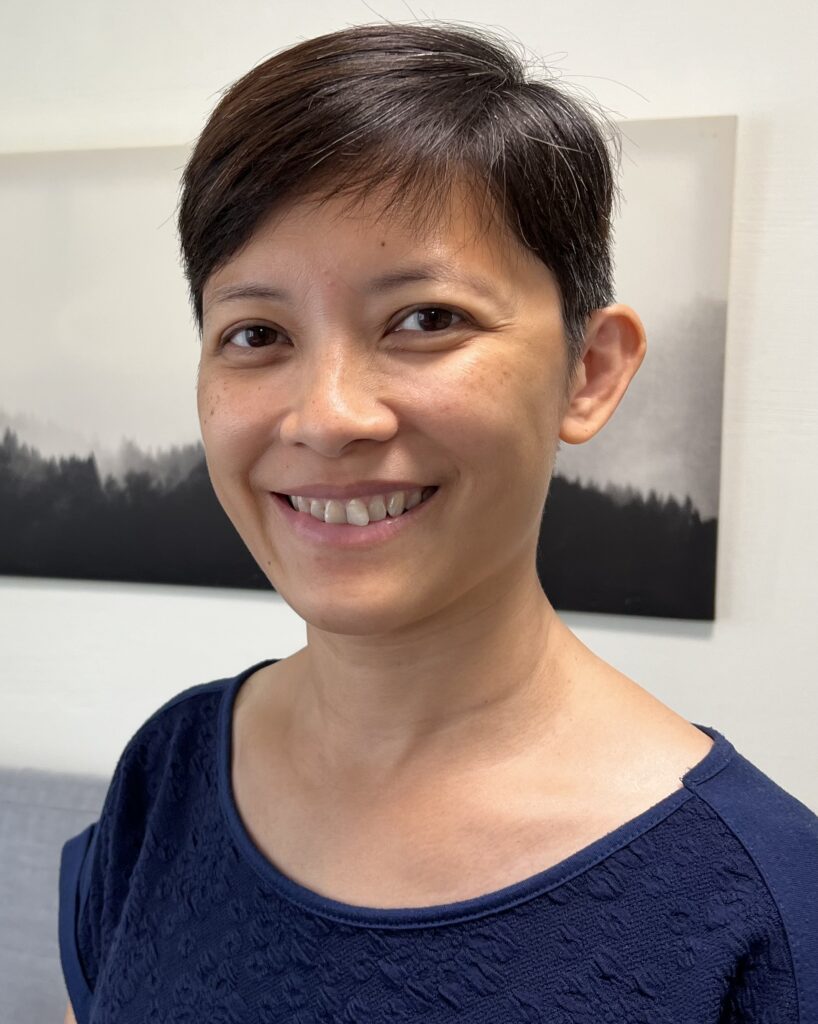
Carolyn Ng

PsyD, MMSAC, RegCLR
Singapore

Carolyn Ng, PsyD, MMSAC, RegCLR maintains a private practice, Anchorage for Loss and Transition, for training, supervision and therapy in Singapore, while also serving as an Associate Director of the Portland Institute.  Previously she served as Principal Counsellor with the Children’s Cancer Foundation in Singapore, specialising in cancer-related palliative care and bereavement counselling.  She is a registered counsellor, master clinical member and approved supervisor with the Singapore Association for Counselling (SAC), a Fellow in Thanatology with the Association of Death Education and Counselling (ADEC), USA, as well as a consultant to a cancer support and bereavement ministry in Sydney, Australia.  She is a trained end-of-life doula and advanced care planning facilitator.  She is also trained in the Critical Incident Stress Management (CISM) by the International Critical Incident Stress Foundation, USA, community crisis response by the National Organisation for Victim Assistance (NOVA), USA, as well as Applied Suicide Intervention Skills Training (ASIST) by LivingWorks, Canada. Her recent writing concerns meaning-oriented narrative reconstruction with bereaved families, with an emphasis on conversational approaches for fostering new meaning and action.

Find out more at: www.anchorage-for-loss.org.

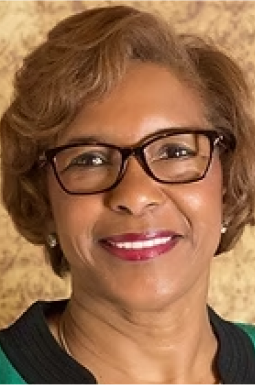
Doris Vaughans, PhD

PhD
Tuscaloosa, AL, United States

is a licensed professional counselor in Alabama and Georgia and a Clinical Assistant Professor in Clinical Mental Health Counseling, The University of Alabama, where she also maintains an active clinical practice.  She has more than 30 years of experience working with patients and clients in oncology, end of life, hospice, and palliative care settings.  Vaughans is the recipient of multiple professional awards including the Alabama Counseling Association’s Outstanding Practitioner Award.  Her primary therapy focus is bereavement-related loss and grief, and non-finite losses.  She is a frequent presenter and consultant on grief and transitions-related topics, including coaching employees in work settings on “grief etiquette” and assisting families in making difficult transitions to care facilities.

Testimonials

We’re here to support you through your journey of understanding and growth.

If you have questions about Portland Institute or some of our offerings, please click the button below to visit our Frequently Asked Questions section – where many common questions are answered!