Viewed through the lens of the Tripartite Model of Meaning Reconstruction in Loss, the death of a significant person by suicide presents profound narrative challenges to integrating the event story of the loss, reconciling the back story of the relationship with the deceased, and revising the personal story of the life of the survivor. In this module, we focus on the first of these impediments to making sense of the loss, grounding clinical recommendations and practices in recent conceptual and empirical contributions to understanding and addressing the needs of survivors.
We begin with an overview of suicide and drug-related death, both of which have increased alarmingly in the past two decades. We then present a nested model of traumatic bereavement that highlights unique symptoms and struggles encountered by those bereaved by both causes and give particular attention to the multifaceted search for meaning in their wake. Drawing on the latest studies of the most prominent needs endorsed by survivors, we identify which unmet needs are most predictive of anguishing and prolonged grief symptomatology, and the role of meaning in mediating the impact of several evidence-based risk factors on bereavement outcomes. We will note cultural differences in suicide patterns most relevant to the audience and feature clients who differ in gender, relation to the deceased and type of loss.
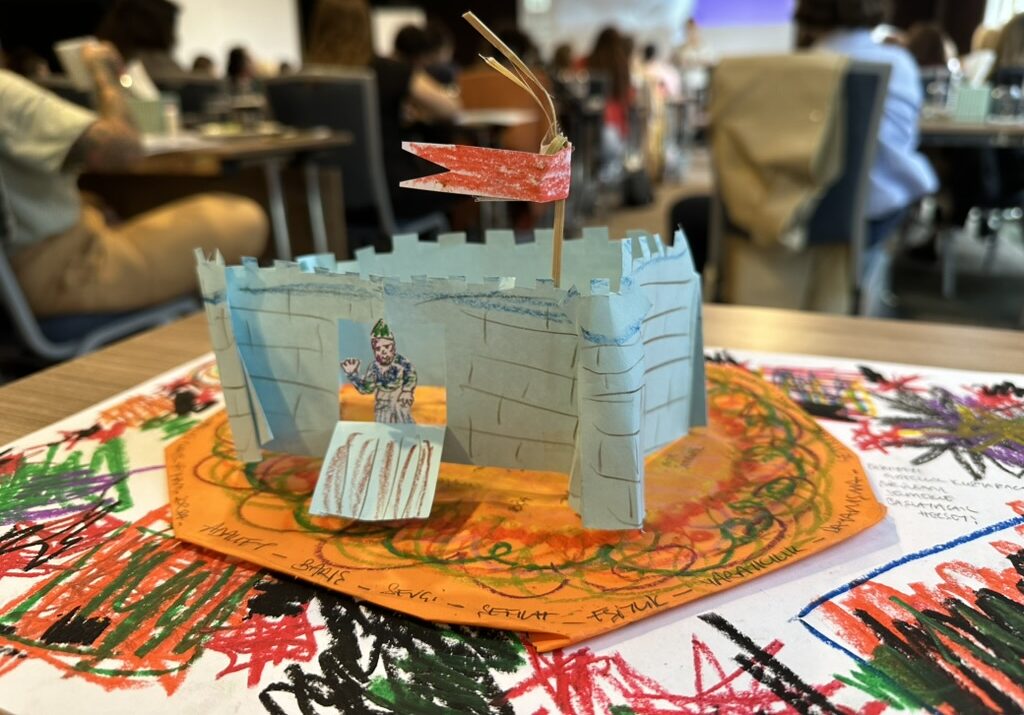
Turning from assessment to intervention, we first present and practice a creative technique for resourcing tragically bereaved clients to ensure their safety. We then review concrete guidelines for a meaning-focused therapeutic retelling of the story of the loss that buffers clients against re-traumatization while helping them make sense of both the event and themselves in its aftermath. Viewing frequent clinical videos to illustrate key concepts and interventions, and gaining hands-on practice with relevant tools and techniques, learners should complete this module with greater confidence and competence in addressing the needs of survivors of tragic loss with trauma-informed care.