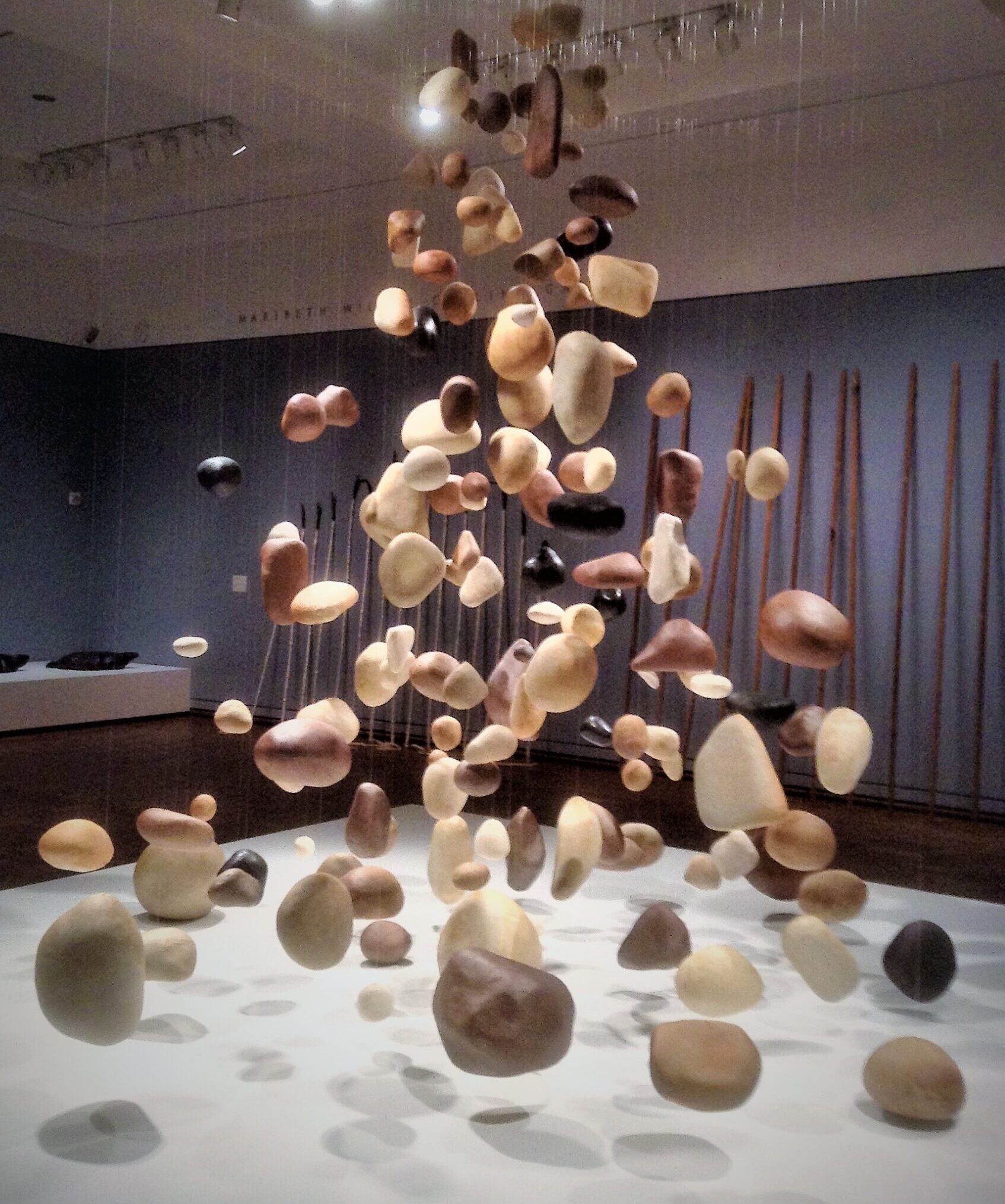
This “user friendly” didactic and experiential module highlights the neurobiology of trauma as well as neurodevelopmental theories that inform expressive art therapy for complex trauma and prolonged grief disorder (PGD). Learners interested in art-based modalities are supported in best practices while planning empathetic and ethical treatment goals for clients suffering life-altering loss.
Art therapy modalities are productive in the treatment of traumatic loss as they organically follow a neurosequential process. Art-making directives informed by neuro-developmental theories demonstrate the effective use of the whole brain from the “bottom-up.” The low verbal portal of expressive art therapy promotes bracing, pacing and facing, creates safety, and supports affect regulation, sensory-somatic witnessing, restructuring, and the integration of the trauma history needed for meaning reconstruction. Trauma-informed expressive art therapies play an important part in restorative retelling, and a reparative and transformational role in working with PGD. The creative process and products serve to organize the internal chaos through art, metaphor, narrative, and symbolic language. The sensory and motor aspects inherent in creative expression, nested within a secure therapeutic relationship, offer myriad opportunities for repair of neural pathways based on the resiliency factors found in art-making.
Engaging art therapy experientials will include the “Squiggle Story,” to develop a playful understanding of the neurosequential model; and a three-part, “Create—Destroy—Transform” art process serving to enhance transformative, restructuring, and reparative therapeutic possibilities in grief therapy. Learners will deepen their personal experience and learning through writing and sharing, in both small and large group interactions.