As the bereaved struggle to find new meaning and re-construct their lives following loss, they can benefit from exploring how this major life transition shifted or shattered their personal and relational identity, and from projecting a new configuration of a changed self in a similarly reconfigured family and social system.
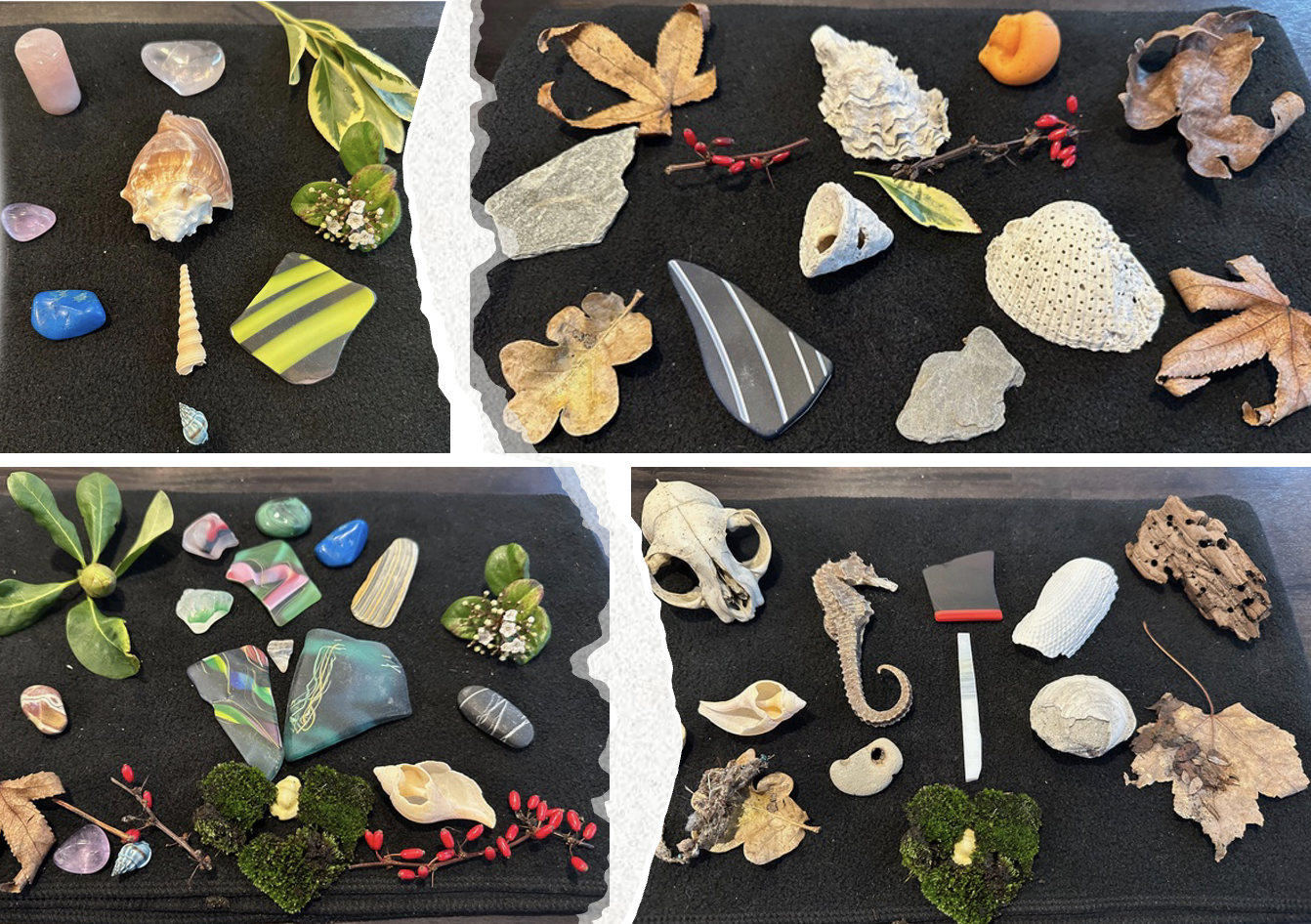
This module introduces Composition Work, a flexible method for visualizing one’s “community of self,” which is grounded in the Dialogical Self Theory of Hubert Hermans, and applies it in the context of grief therapy. Using small stones, shells and other natural objects, clients work under the guidance of the therapist to represent their relation to specifically relevant I-positions corresponding to significant roles, emotion states, and internalized others in their family or broader social world. Following a stepwise procedure, they then trace transformations in the system of relationships that constitute their personal and relational world in response to the loss, as they then project into an unanticipated future.
In this process, clients can benefit from a symbolic dialogue with different elements, including the deceased, to discover and integrate new internal resources, re-negotiate the bond, and explore a different possible composition of their own identity and life that includes the loved one in a new way, even in the person’s physical absence. As varied positions and emotions involved in the relationship are symbolized, differentiated, mapped and reorganized, mourners are better equipped to broaden their understanding of themselves in context, draw on somatic awareness of previously unvoiced aspects of self, and promote personal reconstruction in a changing constellation of post-loss identity.