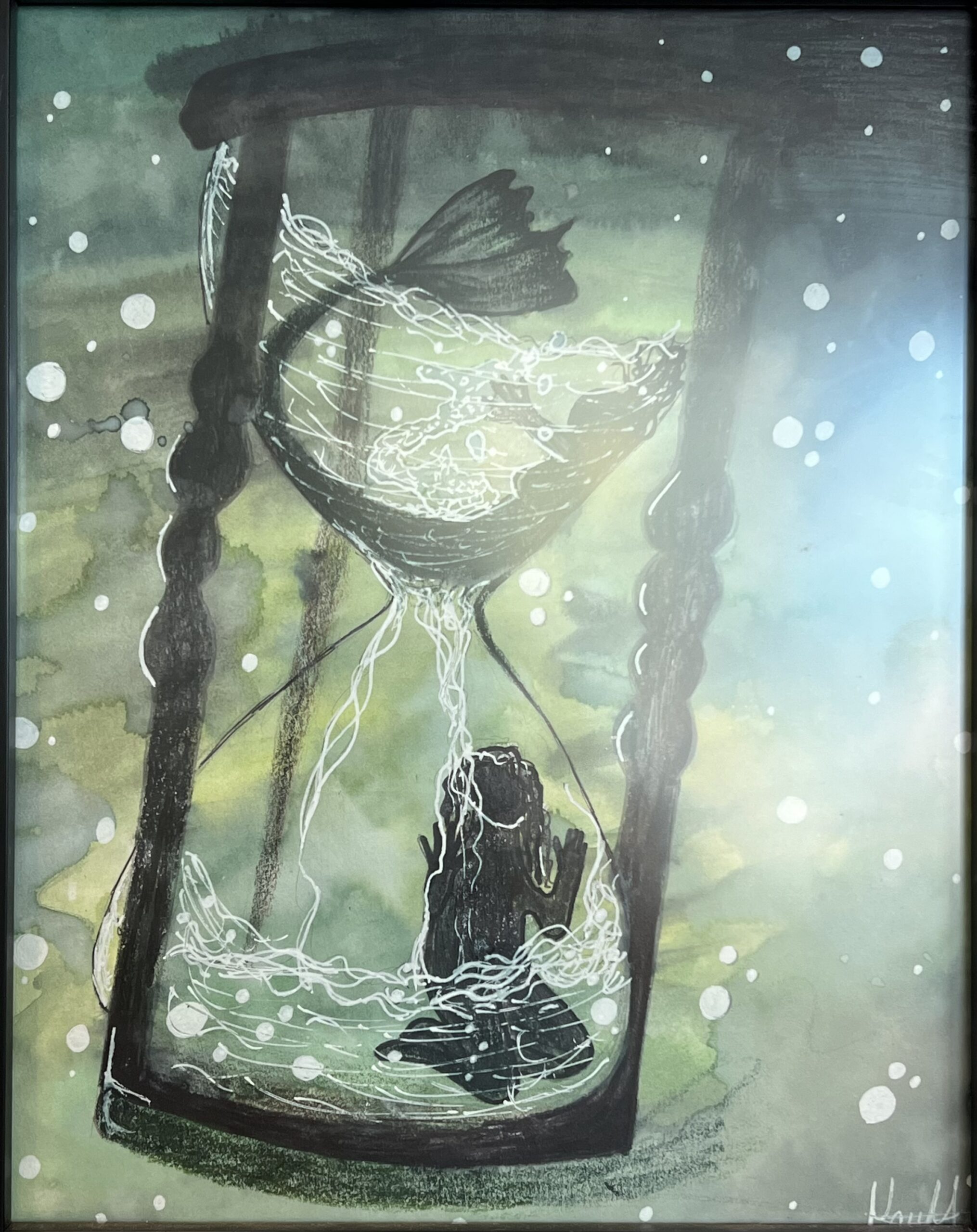
The loss of a significant person to suicide or overdose is more than a traumatic life event. It also poses a profound challenge for survivors in establishing a sustainable continuing bond to the deceased, characteristically leaving many questions unanswered, much that is unsaid, and multiple longstanding concerns unresolved. This module focuses on the burden of such unfinished business with the deceased for mourners, as they struggle to revisit, reevaluate and often repair the relationship with someone who they typically have loved, even if ambivalently, and lost to a tragic death. In such cases, joining grieving clients in the quest for meaning in the loss nearly always requires that therapists accompany survivors in some form of relational reconstruction.
We begin by reviewing the implications of the Tripartite Model of Meaning Reconstruction for survivors of suicide loss and relate these to the most relevant goals of grief therapy. We then present two well-validated measures that help clarify the problematic history shared with the deceased in the first instance, and the extent and focus of unresolved relational issues in the second. Both can be used as a form of clinical assessment to orient the work of therapy, start a necessary conversation with the client, or assess the greater resolution of residual anger, regret, guilt and other forms of relational distress as therapy progresses. In addition to introducing these scales and discussing their practical application, we will review the emerging evidence base documenting the frequency and focus of unfinished business in suicide loss and violent death bereavement more generally, and its relationship to prolonged and anguished forms of grief and associated outcomes. Clinical videos of clients who have lost loved ones to suicide illustrate both these challenges and their effort to reconstruct a continuing bond with their loved one that reaffirms attachment security and makes room for a simpler form of adaptive grieving. Cultural differences in patterns of unfinished business in different samples will also be briefly noted.
In the second half of our program, we will then turn to a creative technique that can help clients realign a troubled relationship with the deceased without necessarily relinquishing it, in essence seeking to conserve what had value in the shared bond in a curated form. We will then provide clear guidelines and prompts for resuming a symbolic conversation with the dead that was traumatically ended by the suicide, accident, overdose or other form of sudden death, with an emphasis on constructing safety in pursuing and processing these imaginal exchanges. Learners in the workshop will be given opportunities to practice each method, reflect on the experience, and share their learning with others in small group and plenary group formats. As a result, they should leave the training with a more ample toolbox for clinical assessment and intervention into some of the most complicated dimensions of grief therapy.