Adult Sibling Loss:
Navigating Disenfranchisement & Supporting Back Story Exploration

The loss of an adult sibling is a deeply personal and often overlooked grief experience, leaving many adult surviving siblings feeling disenfranchised in their mourning. The first half of this module will explore the unique nature of adult sibling loss and how the back story and shared narrative of this special relationship is impacted by death. Additionally, Zampitella will examine how familial, cultural, and spiritual expectations influence the grieving process, sometimes supporting, but also perhaps interfering, with the surviving sibling’s ability to reestablish equilibrium and integrate the loss into their life narrative. Greater awareness of these dynamics can support the research and treatment that survivors so essentially crave in those cases when the survivor seeks the guidance and support from professionals in the field of thanatology.

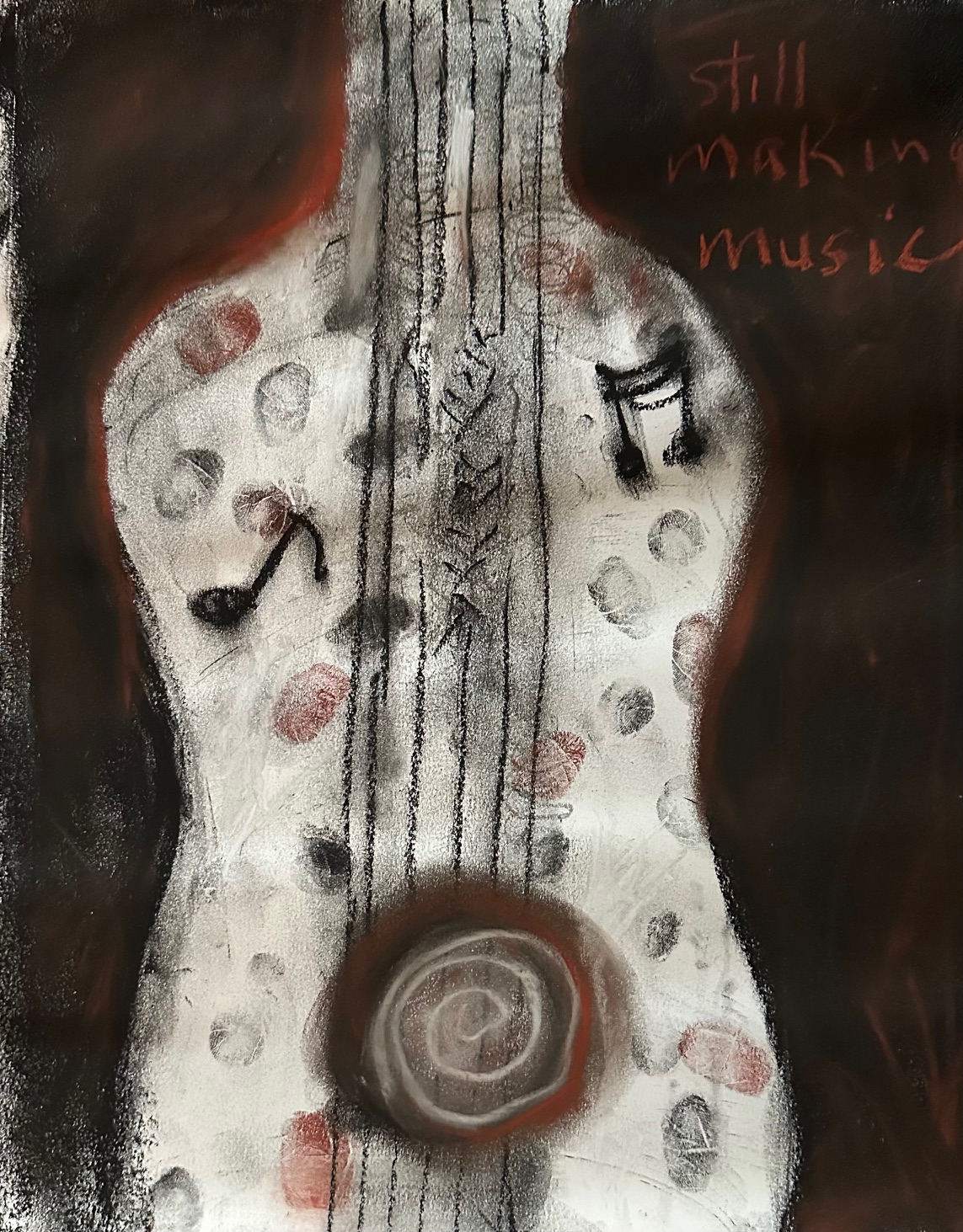
The second half of this module will explore strategies for navigating the challenges of disenfranchisement through a case study and an arts-based approach. Brooks will introduce an approach inspired by art historical research on the rückenfigur, a compositional technique in which a figure is depicted from behind. Rückenfigur compositions are known for fostering contemplation, offering perspective, and encouraging empathy. Brooks has adapted this compositional technique to the realm of bereavement support. She will share her experience of creating a back-facing portrait of her deceased sister, before guiding learners in the creation of their own rückenfigur compositions. Through hands-on art-making, participants will explore how and why this approach can be particularly meaningful for those struggling to access or process the complexities of their relationship with the deceased – especially in cases of traumatic, complicated, or painful sibling relationships.

Through a combination of personal storytelling, research insights, a case study, and an experiential arts-based exercise in this session, learners will explore how reconstructing the back story of sibling relationships can facilitate meaning-making and grief integration. Overall, this module will provide learners with tools to support bereaved siblings in navigating disenfranchised grief while fostering self-reflection and connection through expressive techniques.

Note: This 3-hour CE module focuses on topics related to psychological practice, education, or research other than application of psychological assessment and/or intervention methods that are supported by contemporary scholarship grounded in established research procedures.

LEARNING OBJECTIVES

  • Describe the unique nature of the adult sibling relationship and its significance in identity formation;
  • Summarize how disenfranchisement impacts grief and how cultural and familial dynamics shape the bereaved sibling’s experience;
  • Explain the importance of accessing the back story in meaning reconstruction and identify challenges in processing relationships with deceased siblings; and
  • Outline how arts-based approaches – particularly back facing compositions – can support bereaved siblings in reconnecting with their deceased sibling.

Earn 3 Continuing Education (CE) Credits

Portland Institute for Loss and Transition is approved by the American Psychological Association to sponsor continuing education for psychologists.  Portland Institute for Loss and Transition maintains responsibility for this program and its content.

Portland Institute for Loss and Transition, [Provider number 1954], is approved to offer social work continuing education by the Association of Social Work Boards (ASWB) Approved Continuing Education (ACE) program.  Organizations, not individual courses, are approved as ACE providers.  State and provincial regulatory boards have the final authority to determine whether an individual course may be accepted for continuing education credit.  Portland Institute for Loss and Transition maintains responsibility for this course.  ACE provider approval period: 09/09/2025-09/09/2028.


PROGRAM SCHEDULE

This program contains the following video segments:

  • Consulting the Research: The Multiple Impacts of Sibling Loss (47 mins)
  • On Culture and Therapy: Shaping and Re-shaping the Back Story of Relationship (50 mins)
  • Adult Sibling Bereavement: Navigating Disenfranchisement through Art (35 mins)
  • The Ruckenfigur: An Experiential Exercise (53 mins)

Adult Sibling Loss:
Navigating Disenfranchisement & Supporting Back Story Exploration

USD$99 for 3-hour module / USD$124 with CE Credits

GRIEF TRAINING FACULTY​

Christina Zampitella

PsyD, FT
Wilmington, DE, United States

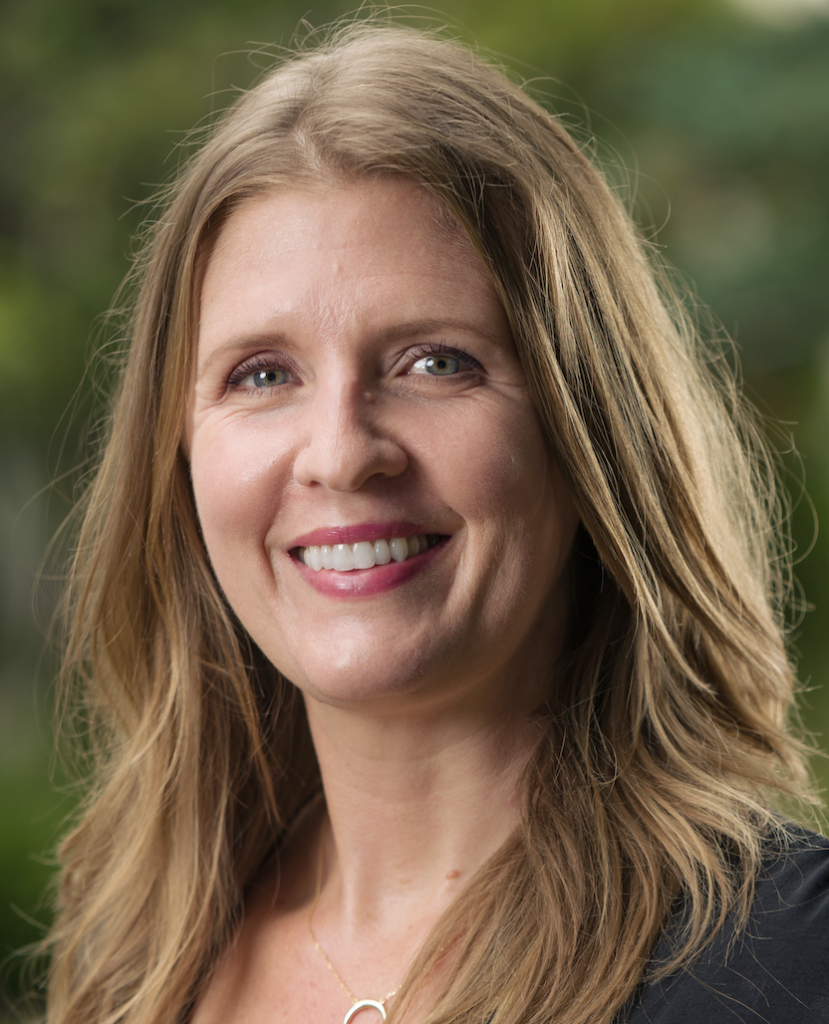
Christina Zampitella, PsyD, FT, is a licensed clinical psychologist, Fellow of Thanatology, and the founder of The Center for Grief and Trauma Therapy.  She frequently serves as an adjunct professor and internationally recognized professional speaker, and has a particular passion for training emerging mental health professionals.  She hosts her podcast, Phoenix Rising with Dr. Z., where she delves into various topics related to grief and trauma.  Her clinical practice, research, course development, and teaching are centered around grief and trauma studies, nature-based therapy, and integrative psychology.  She has held leadership roles within professional institutions and is on the advisory committee for National University’s Integrative Psychology bachelor’s degree program.  Her professional experience includes serving as the resident psychologist for 5 News in San Diego, and she frequently appeared on NBC News in San Diego and Philadelphia.  She has been recognized in various publications, including The Huffington PostNew York PostElle MagazineBuzzFeed, and several Delaware publications.

Maegan P. Brooks

PhD
Wilsonville, OR, United States

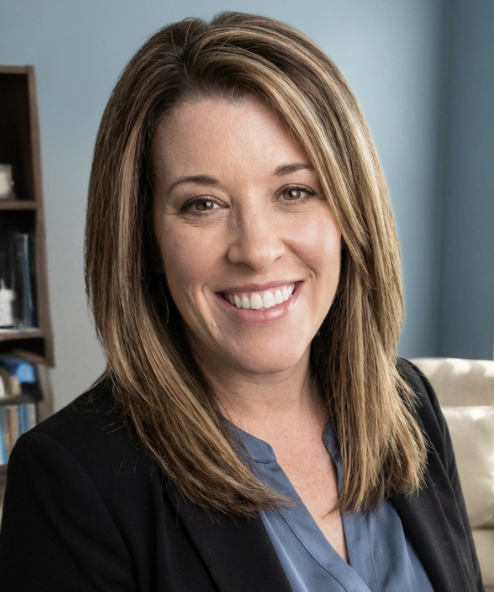
Maegan P. Brooks, PhD, is Associate Professor and Chair of Civic Communication & Media at Willamette University, where she teaches Death and Grief Communication, Autoethnography, and Artful Communication for Wellbeing courses.  Brooks serves the bereaved as co-founder of the Diversity of Loss Arts-Based Grief Support Group at Willamette and as a facilitator at The Dougy Center for Grieving Children and Families.  Her teaching, service, and research are informed by compassion-based and meaning reconstruction approaches to supporting death and non-death losses.  Certified in Arts-Assisted Grief Therapy, Brooks integrates expressive arts methodologies into her grief pedagogy and the grief groups she organizes.  Brooks has published her scholarship in peer-reviewed journals, encyclopedias, edited collections, and books.

Testimonials

We’re here to support you through your journey of understanding and growth.

If you have questions about Portland Institute or some of our offerings, please click the button below to visit our Frequently Asked Questions section – where many common questions are answered!