Aging, Ageism, and Care:
Exploring the Needs of Families and Elders

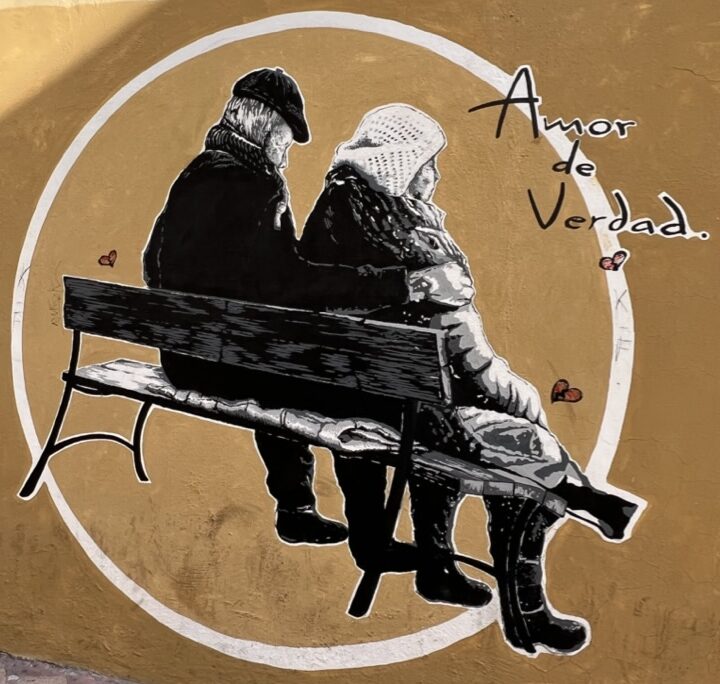
We are living in a time when people are living longer, but they are also living longer with complex health issues, care needs, and greater dependence on the health care system and families.  While the increase in longevity is something that allows for elders to be a part of the lives of several generations that follow them, there are also unique losses and stressors that accompany this demographic change.  Family members are often exhausted from the increased demands of caring for their elderly loved ones.  Many elders experience a loss of their cognitive abilities, leading those who love them feeling bereft while they are still living.  All of these issues exist within contextual frameworks that value individuals for their independence, productivity, and efficiency, leading elders to often feel that they are devalued and disenfranchised socially.  This module will explore the current demographic trends associated with aging, identifying unique loss and grief experiences for elders and their families, and clinical implications for the professionals who journey alongside these individuals.
This 3-hour CE module focuses on topics related to psychological practice, education, or research other than application of psychological assessment and/or intervention methods that are supported by contemporary scholarship grounded in established research procedures.

LEARNING OBJECTIVES

  • Identify the unique experiences of grief and loss of elders and the implications for clinicians, health care systems, and families;
  • Describe current demographic trends related to aging and their implications; and
  • Discuss how social attitudes about aging affect care delivery and supports.

Earn 3 Continuing Education (CE) Credits

Portland Institute for Loss and Transition is approved by the American Psychological Association to sponsor continuing education for psychologists.  Portland Institute for Loss and Transition maintains responsibility for this program and its content.

Portland Institute for Loss and Transition, [Provider number 1954], is approved to offer social work continuing education by the Association of Social Work Boards (ASWB) Approved Continuing Education (ACE) program.  Organizations, not individual courses, are approved as ACE providers.  State and provincial regulatory boards have the final authority to determine whether an individual course may be accepted for continuing education credit.  Portland Institute for Loss and Transition maintains responsibility for this course.  ACE provider approval period: 09/09/2025-09/09/2028.

Earn 1 Credit for Case Study Module toward
Certification in Grief Therapy for Non-Death Losses
or Certification in Family-Focused Grief Therapy
offered by the Portland Institute.


PROGRAM SCHEDULE

This program contains the following video segments:

  • The Mushroom Cloud:  Changing Demographics and Their Implications (55 mins)
  • The Case of the Fading Father:  Contending with Non-Death Loss (48 mins)

  • The Case of the Later-life Couple:  The Social Context of Aging (52 mins)

  • Picture This:  A Photographic Journey of Mother and Son (23 mins)

Aging, Ageism, and Care:
Exploring the Needs of Families and Elders

USD$99 for 3-hour module / USD$124 with CE Credits

GRIEF TRAINING FACULTY​

Darcy Harris

RN, RSW, PhD, FT
London, ON, Canada

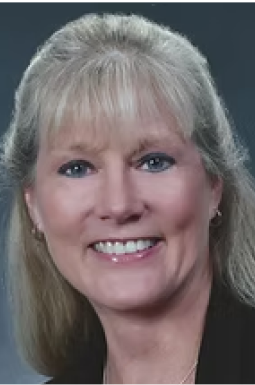
Darcy L. Harris, RN. RSW, PhD, FT, is Professor Emeritus of Thanatology at King’s University College / Western University in London, Canada.  She is also a faculty member of the Portland Institute for Loss and Transition and co-editor for Routledge publishing company’s Death, Dying, and Bereavement Series.  Her research interests include non-death loss and grief, including structural, political, and environmental grief, in addition to social justice issues in contexts of loss and grief, and the application of compassion-based approaches to loss and grief.

Testimonials

We’re here to support you through your journey of understanding and growth.

If you have questions about Portland Institute or some of our offerings, please click the button below to visit our Frequently Asked Questions section – where many common questions are answered!